 :
:  :
: 

How to Reduce eCommerce Returns Without Hurting Sales
How to Reduce Return Orders in eCommerce Without Hurting Sales: A Practical Guide

Estimated reading time: 8 minutes
Key Takeaways
- Improving product pages enhances customer understanding and reduces return rates.
- Address validation can significantly decrease failed deliveries and associated returns.
- Delivery tracking and notifications increase customer satisfaction and reduce missed deliveries.
- Smart packaging protects products during transit and improves the unboxing experience.
- A customer-centric approach leads to reduced returns while maintaining sales growth.
Table of Contents

Introduction

Returns are an inevitable part of eCommerce, but how to reduce return orders in eCommerce without hurting sales is a critical question for online retailers worldwide. According to recent studies, return rates in eCommerce average between 20% and 30%, significantly higher than in physical retail. This poses major challenges: lost revenue, increased operational costs, and customer dissatisfaction. Yet, simply tightening return policies can deter buyers and hurt sales growth.
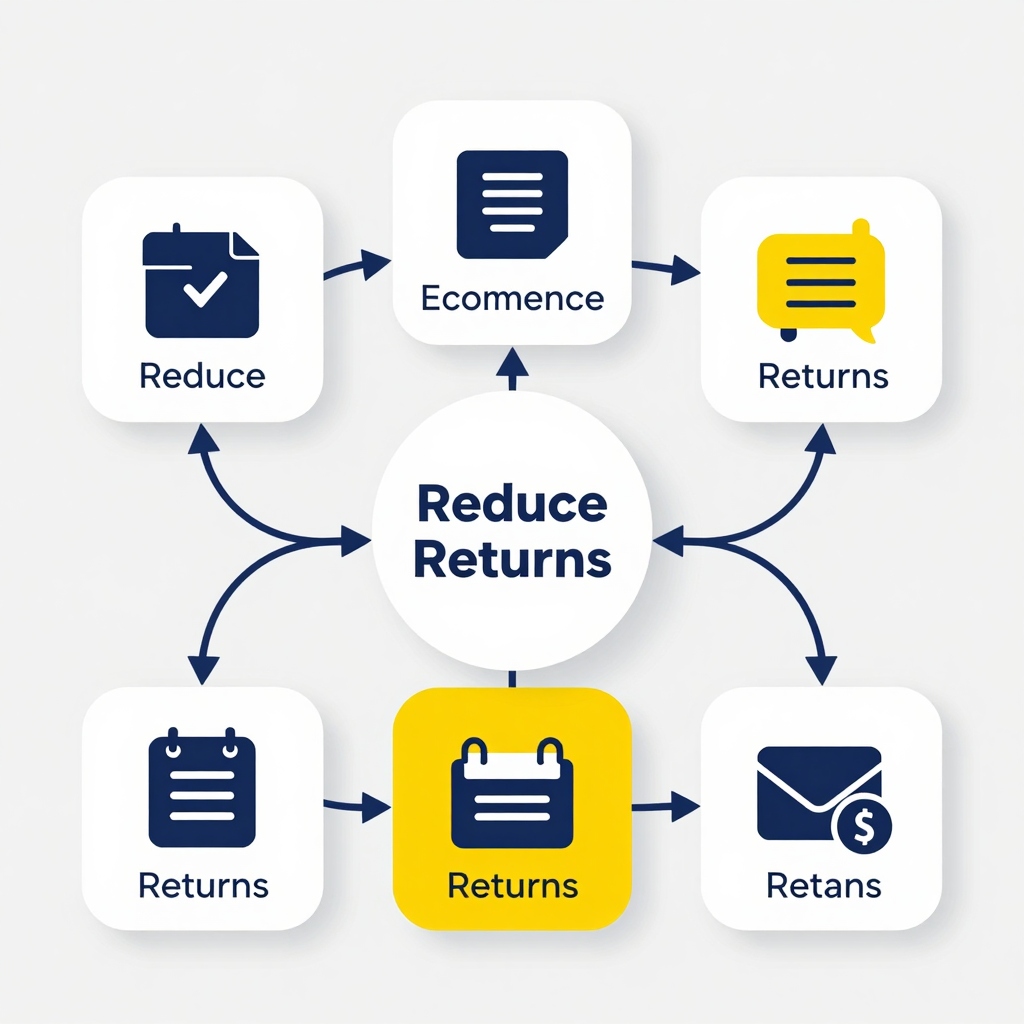
The solution lies in strategic improvements to the buying and delivery experience—helping customers make the right purchase decisions and ensuring flawless delivery. In this practical guide, we explore proven tactics focused on four pillars: better product pages, address checks, delivery confirmation, and smarter packaging.
Whether you operate in India, North America, Europe, or beyond, reducing returns while maintaining customer-friendly policies can boost profitability and brand loyalty. Let’s dive deeper into each strategy to create a seamless eCommerce experience.
1. Create Better Product Pages
The foundation of fewer returns is clear product communication. Detailed and honest product pages set the right expectations, reducing surprises that often trigger returns.
Why it matters
Customers rely heavily on product pages to understand what they’re buying—size, material, functionality, and fit. Missing or vague information prompts uncertainty, increasing the chance of post-delivery dissatisfaction.
Key practices to implement:
- High-quality images: Offer multiple angles, close-ups, and lifestyle contexts to showcase the product realistically.
- Videos: Demonstrations or unboxings clear doubts about usage and quality.
- Detailed descriptions: Include exact measurements, material details, care instructions, and any known limitations.
- Size guides and fitting notes: Use comprehensive charts or virtual fitting tools to minimize size-related returns, especially in apparel and footwear.
- Customer reviews & Q&A: Genuine feedback and direct answers to common queries add trust and guidance.
- FAQs: Address typical buyer questions upfront.
- User-generated content: Show real customers using the product to help set realistic expectations.
Example: Clothing retailer Zappos integrates customer photos plus videos for each product, reducing size and style-related returns significantly.
By improving product transparency, you empower customers to make informed decisions, minimizing the need for returns.
2. Perform Address Checks Before Shipping
Deliveries to wrong or incomplete addresses result in failed shipments, customer frustration, and expensive return logistics. Early validation is key.
How it works
- Integrate address validation software: Tools like USPS Address Validation or Google Address Autocomplete reduce typos and missing components during checkout.
- Require detailed address components: Make apartment numbers, ZIP/postal codes, and landmarks mandatory.
- Confirm via follow-up: For high-value or international shipments, send an email or SMS to verify address correctness before dispatch.
- Flag high-risk addresses: Establish manual reviews or hold-offs on orders flagged by software to verify legitimacy and accuracy.
Impact: Accurate addresses increase successful first-time deliveries dramatically, reducing “return to sender” incidents.
Case Study: Amazon’s investment in advanced address verification and last-mile communication has helped reduce delivery failures by up to 20%, improving customer satisfaction.
3. Implement Delivery Confirmation & Tracking
Visibility into shipping status reassures customers and minimizes missed deliveries, which can lead to unwanted returns.
Best practices include:
- Real-time order tracking: Provide customers with dynamic links updated at every shipment stage.
- Delivery notifications: Automated SMS/email alerts at dispatch, out for delivery, and delivered status keep buyers informed.
- Signature-required delivery: For expensive or high-return-risk items like electronics or luxury goods, this confirms receipt.
- Alternative delivery options: Locker pickups, scheduled deliveries, or alternate drop-off points increase convenience and secure handovers.
- Special delivery instructions: Allow customers to communicate with couriers regarding safe drop zones or preferred times.
Result: Enhanced communication reduces packages returned due to failed delivery attempts and improves first-delivery success rates.
Example: Flipkart in India uses SMS and app-based tracking updates, contributing to lower return and complaint rates from failed deliveries.
4. Use Smarter Packaging
The final touchpoint before customers receive their order is packaging. Thoughtful, protective packaging reduces damage-related returns and improves user experience.
Recommendations for smarter packaging:
- Right-sized boxes: Avoid excess space to limit product movement that causes damage.
- Protective cushioning: Utilize bubble wrap, foam inserts, or air pillows suited to product fragility.
- Easy-open designs: Packaging should not frustrate customers or lead to accidental product damage during unboxing.
- Sustainable materials: Eco-friendly packaging aligns with consumer values and reduces return complaints related to waste.
- Clear return instructions inside: Simple, accessible return guidance or QR-coded labels can streamline returns when necessary without discouraging ownership.
Benefit: When customers receive undamaged goods with a pleasant unboxing experience, they’re less likely to return products out of frustration or disappointment.
Summary Checklist to Reduce eCommerce Returns
| Strategy | Key Actions |
|---|---|
| Better Product Pages | High-resolution images, videos, accurate specs, detailed size guides, reviews |
| Address Checks | Real-time validation, mandatory fields, manual review for flagged addresses |
| Delivery Confirmation | Tracking links, SMS/email alerts, signature requirements, flexible delivery |
| Smarter Packaging | Custom-sized boxes, protective fillers, easy-open design, clear return info |
FAQ
Q1: Will stricter return policies reduce returns effectively?
Stricter policies may reduce returns but risk alienating customers and dropping sales. Improving product info and delivery is a better long-term solution.
Q2: How accurate do address checks need to be?
Very accurate—most shipping carriers recommend near 100% validation to prevent costly returns or lost packages.
Q3: What packaging materials are best for fragile items?
Custom inserts combined with bubble wrap or foam peanuts usually provide the best protection.
Q4: Can video product demos really reduce returns?
Yes, videos help clarify product use, dimensions, and look, so fewer customers feel misled after delivery.
Q5: What role does customer feedback play in reducing returns?
Displaying honest reviews helps future buyers make well-informed decisions, lowering return likelihood.
Conclusion
Reducing return orders in eCommerce without hurting sales is achievable through smarter, customer-centric strategies—starting with better product pages, ensuring accurate delivery addresses, enhancing shipment visibility, and optimizing packaging. These tactics work together to build customer trust and satisfaction, minimize costly returns, and maintain strong sales growth. Implementing this practical guide will help your eCommerce business thrive by reducing inefficiencies and elevating the buyer experience.
Contact us today! Let’s help you put these proven methods into action and boost your bottom line.
Recent Blog

Top eCommerce Logistics Trends in India for 2026
Top eCommerce Logistics Trends in India for 2026: Navigating the…

Why Failed Deliveries Are Killing eCommerce Profits
Why Failed Deliveries Are Killing eCommerce Profits — And How…

मोबाइल मार्केटिंग फॉर ईकॉमर्स: ट्रेंड्स, स्ट्रेटेजी और टिप्स
Here's the provided Markdown content converted to WordPress HTML format:…
