 :
:  :
: 

Top eCommerce Logistics Trends in India for 2026
Top eCommerce Logistics Trends in India for 2026: Navigating the Future of Delivery and Supply Chain Excellence
Estimated reading time: 10 minutes
Key Takeaways
- Rapid growth of the eCommerce market in India, exceeding USD 200 billion by 2026.
- Emergence of hyperlocal and same-day delivery driven by customer expectations.
- Adoption of AI and automation enhancing logistics efficiency.
- Increased focus on sustainability with eco-friendly practices in logistics.
- Growing significance of data analytics and IoT in logistics management.
Table of Contents

Introduction

India’s eCommerce landscape is transforming rapidly, with projections estimating the market could surpass USD 200 billion by 2026. This explosive growth is fueled by increased internet penetration, smartphone adoption, and evolving consumer preferences for fast and reliable online shopping. At the heart of this transformation lies eCommerce logistics — a critical factor dictating a brand’s ability to deliver speed, efficiency, and customer satisfaction.
Why does logistics matter so much? Because it connects businesses with their customers, turning online orders into tangible products swiftly and seamlessly. In India’s diverse geography and demographic, overcoming delivery challenges with innovative logistics solutions is paramount. As we look toward 2026, several pivotal trends are shaping the future of eCommerce logistics in India, helping companies keep pace with consumer demands and competitive pressures.
This broad SEO pillar blog explores the top eCommerce logistics trends in India for 2026, uncovering how technology, sustainability, and consumer-centric strategies are changing the game. These insights also provide a roadmap for business leaders, logistics providers, and entrepreneurs seeking to optimize their supply chain strategies and boost profitability.
Trend 1: Hyperlocal and Same-Day Delivery
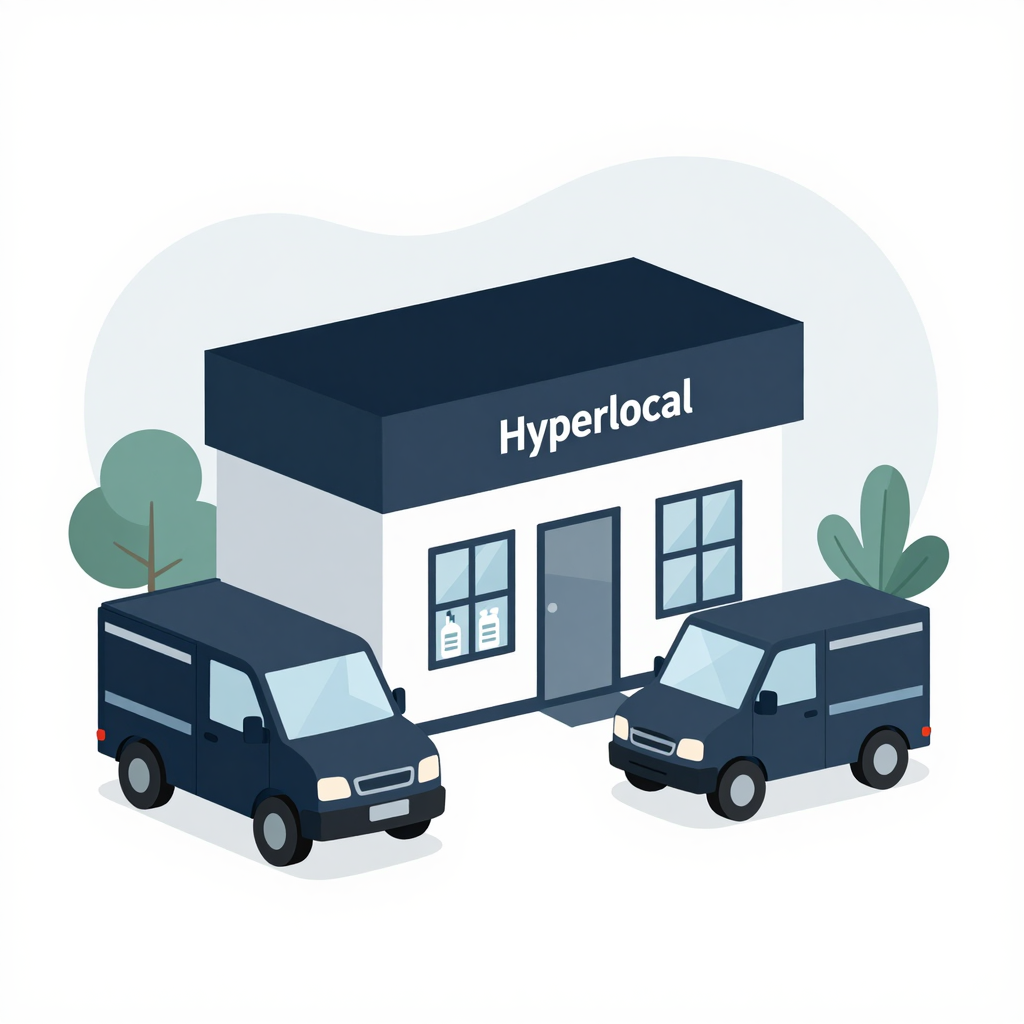
Consumers today expect instant gratification, and hyperlocal delivery is fulfilling that demand by offering same-day or even ultrafast deliveries. This trend leverages a network of local fulfillment centers and dark stores located close to customers, reducing transit time drastically.
Key Insights:
- Hyperlocal delivery is most impactful in urban and semi-urban areas, especially for groceries, fashion, electronics, and household essentials.
- Robust last-mile delivery networks supported by partnerships with local courier services and gig-economy delivery agents enable scalability.
- Technology plays a key role in real-time tracking, inventory management, and dynamic routing.
Real Examples:
- Bigbasket and Grofers have set benchmarks in hyperlocal grocery delivery in metros like Mumbai, Bengaluru, and Delhi.
- Fashion eCommerce platforms like Myntra offer same-day delivery in select cities to enhance customer satisfaction.
Benefits:
- Increased customer loyalty through speedy delivery.
- Reduced dependency on centralized warehouses.
- Better handling of urban traffic and delivery bottlenecks.
Repurpose into: How Hyperlocal Delivery is Reshaping Indian eCommerce
Trend 2: Adoption of AI and Automation in Logistics
Automation and artificial intelligence (AI) are no longer futuristic ideas but practical tools improving efficiency in Indian eCommerce logistics.
How It Works:
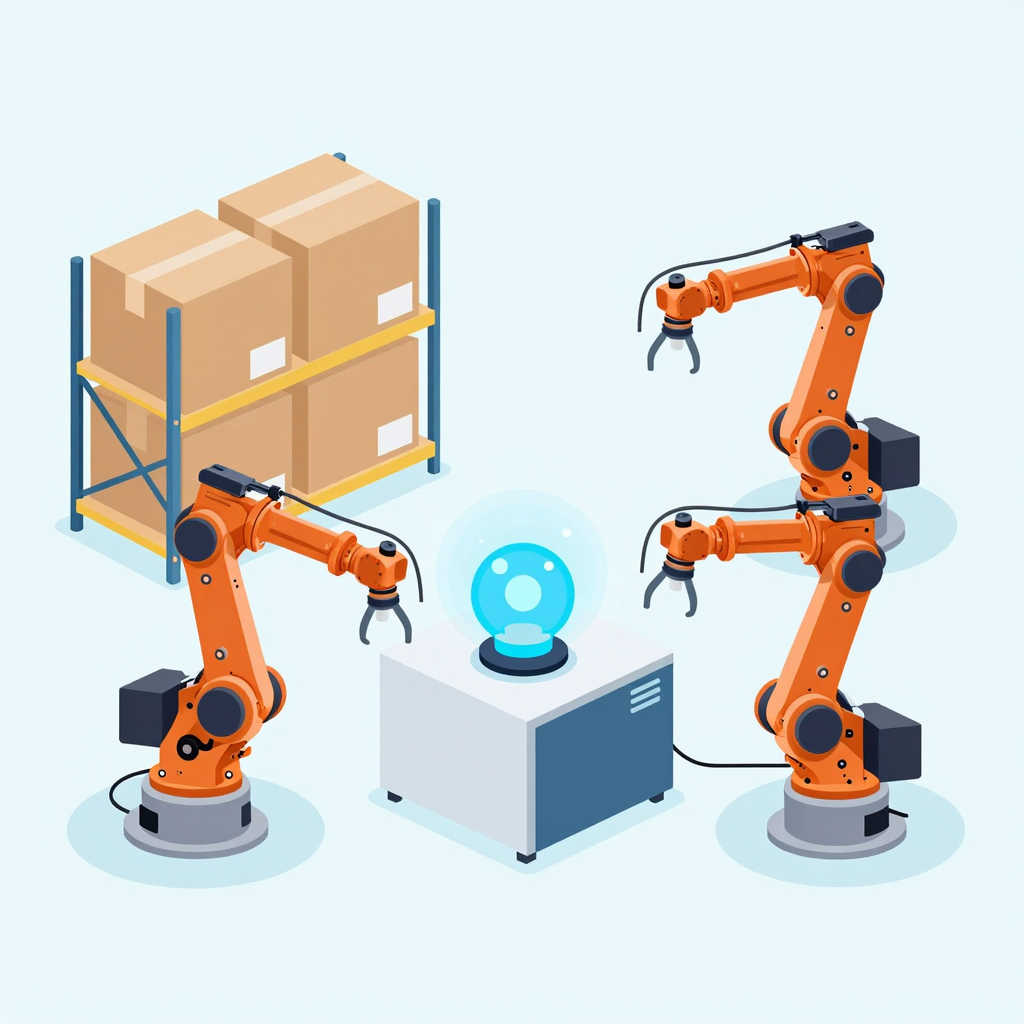
- Automated warehouses use robotic arms and sorting systems to reduce manual errors and speed up order processing.
- AI algorithms optimize delivery routes by analyzing traffic patterns, weather, and demand spikes.
- Predictive analytics help in anticipating inventory requirements, reducing stockouts and overstocking.
Industry Examples:
- Flipkart has integrated AI-powered sorting centers to accelerate fulfillment.
- Delhivery employs AI for efficient route planning and last-mile optimization.
Benefits:
- Faster delivery times paired with reduced operational costs.
- Enhanced accuracy and fewer damaged goods through automation.
- Superior demand forecasting to streamline inventory management.
Repurpose into: The Role of AI in Revolutionizing eCommerce Logistics in India
Trend 3: Sustainable and Eco-Friendly Logistics Practices
With increasing awareness about environmental issues, Indian consumers and businesses are pushing for green logistics solutions.
Key Insights:
- Adoption of electric vehicles (EVs) and hybrid delivery fleets to reduce carbon footprint.
- Eco-friendly packaging, such as biodegradable materials and reusable containers.
- Route optimization to lower fuel consumption and emissions.
Real Life Examples:
- Amazon India aims to electrify significant portions of its delivery fleet by 2030.
- Smaller startups like eBikeGo focus solely on electric delivery vehicles in cities like Pune and Bengaluru.
Benefits:
- Builds brand reputation and customer trust.
- Compliance with environmental regulations.
- Long-term cost savings through energy-efficient operations.
Repurpose into: Benefits of Electric Vehicles in eCommerce Delivery Networks
Conclusion: Preparing for Logistics Success in 2026 and Beyond
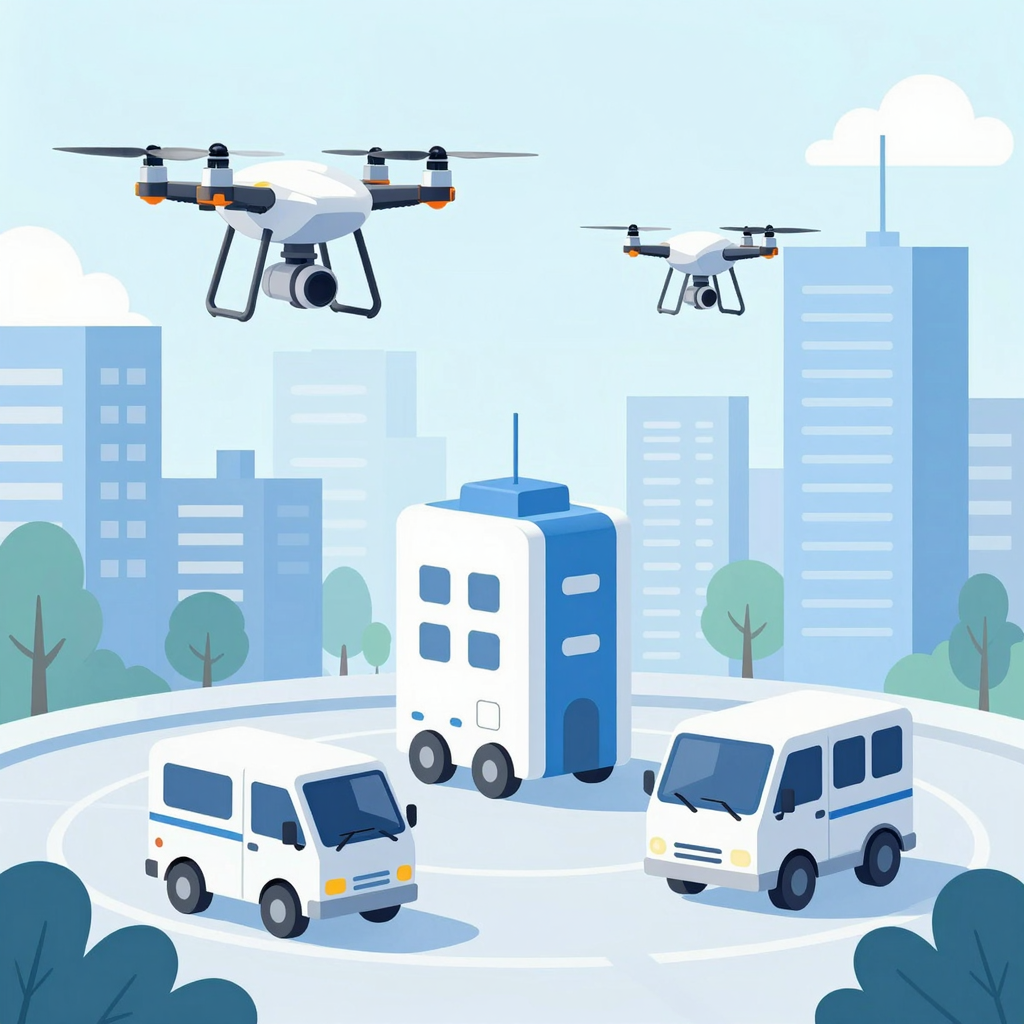
The future of eCommerce logistics in India is dynamic and full of opportunity. Businesses that embrace technology-powered solutions — from AI and IoT to drones and digital payments — while keeping sustainability and customer experience at the core will emerge as market leaders. Expansion into Tier 2 and 3 cities, coupled with omnichannel and reverse logistics innovations, ensures that logistics networks are more resilient, efficient, and customer-centric than ever.
Are you ready to future-proof your eCommerce logistics strategy for 2026? Contact us today! Unlock the potential of these trends and stay ahead in India’s vibrant eCommerce ecosystem.
FAQ
Q1: How important is same-day delivery in India’s eCommerce?
Same-day delivery enhances customer satisfaction by meeting rising expectations for speed and convenience, especially in urban centers.
Q2: What role does AI play in logistics?
AI optimizes routes, forecasts demand, and automates warehouses, reducing costs and delivery times.
Q3: Are Indian companies adopting sustainable logistics?
Yes, many leading brands are investing in electric delivery vehicles and eco-friendly packaging to reduce environmental impacts.
Q4: How can small businesses leverage tier 2 & 3 city warehousing?
They can reduce shipping costs and delivery times by partnering with fulfillment centers closer to customers.
Recent Blog

How to Reduce eCommerce Returns Without Hurting Sales
How to Reduce Return Orders in eCommerce Without Hurting Sales:…
Why Failed Deliveries Are Killing eCommerce Profits
Why Failed Deliveries Are Killing eCommerce Profits — And How…
मोबाइल मार्केटिंग फॉर ईकॉमर्स: ट्रेंड्स, स्ट्रेटेजी और टिप्स
Here's the provided Markdown content converted to WordPress HTML format:…
